The pharmaceutical industry demands extreme precision. Even a small contamination or dosing error can affect product quality, safety, and regulatory compliance. Because of this, manufacturers carefully choose equipment that ensures sterile, accurate, and repeatable fluid transfer.
One technology has become especially valuable in modern pharmaceutical production: the peristaltic pump.
From vaccine production to sterile filling lines, this pump type offers clean fluid handling and precise dosing. It reduces contamination risks and supports strict industry standards such as GMP.
In this guide, we will explain how a peristaltic pump used in pharmaceutical industry applications works, why it is widely trusted, and how different designs—such as dc peristaltic pump, dual peristaltic pump, and explosion proof peristaltic pump models—support various pharmaceutical processes.
What Is a Peristaltic Pump?
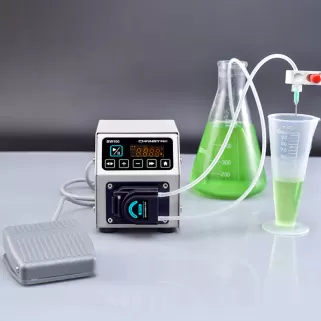
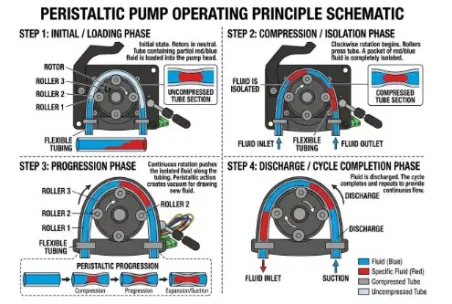
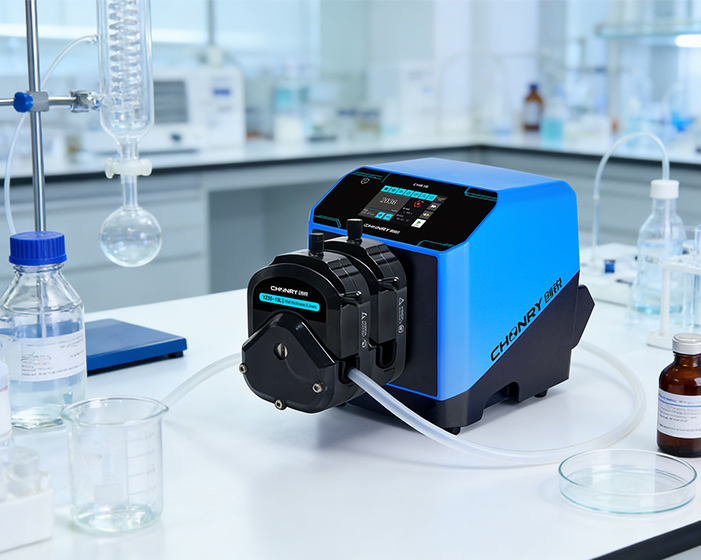
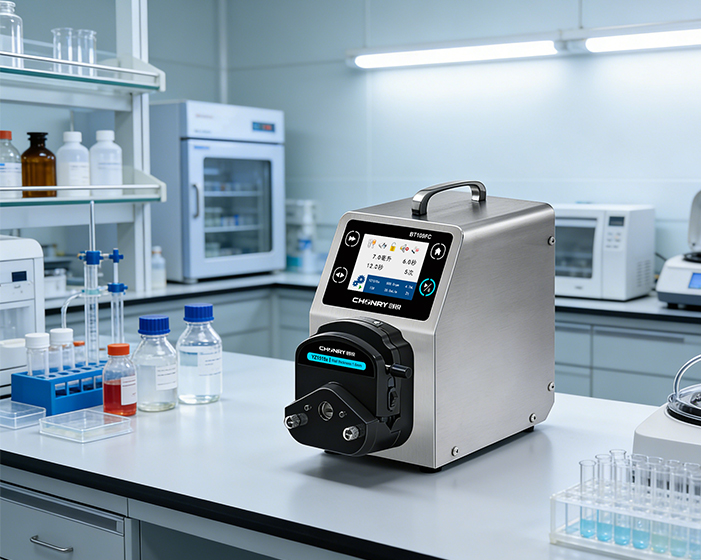
A peristaltic pump is a positive displacement pump designed to move fluids through flexible tubing. The pump works by compressing and releasing the tube in a rotating motion. This motion pushes the liquid forward in controlled amounts.
The design is simple but very effective. Rollers inside the pump head press against the tubing. As the rotor turns, these rollers move along the tube and create a squeezing action. This movement pushes the liquid forward while preventing backflow.
The fluid only contacts the tubing. It does not touch the pump housing or mechanical components.
This feature is one of the key reasons pharmaceutical manufacturers prefer this pump type.
Key Characteristics
Some of the most important features include:
No contamination risk because the fluid only touches the tube
High dosing accuracy for small liquid volumes
Gentle pumping action suitable for sensitive fluids
Easy maintenance since tubing is simple to replace
Good chemical compatibility with different tube materials
These characteristics make it ideal for sterile and high-purity environments.
Why Peristaltic Pumps Are Widely Used in the Pharmaceutical Industry
The pharmaceutical industry has strict production requirements. Equipment must maintain hygiene, deliver precise volumes, and meet regulatory standards.
A peristaltic pump used in pharmaceutical industry processes helps solve several common challenges.
1. Contamination-Free Fluid Transfer
Sterility is critical in pharmaceutical manufacturing. Any contamination can compromise drug safety.
Because the liquid flows only through disposable tubing, the peristaltic pump reduces the chance of contamination. Manufacturers can simply replace the tubing between batches.
This makes the system suitable for sterile environments such as:
In many facilities, disposable tubing systems also reduce cleaning time and lower the risk of cross-contamination.
2. Accurate Dosing and Filling
Many pharmaceutical products require extremely accurate liquid dosing.
For example:
Injectable drugs may require 0.1 ml to 10 ml precise filling
Diagnostic reagents require exact volumes
Vaccine production requires controlled ingredient ratios
A peristaltic pump can achieve high repeatability because each rotation moves a fixed volume of fluid. Modern systems often achieve accuracy levels within ±0.5% to ±1%.
This precision makes them ideal for automated filling lines.
3. Gentle Handling of Sensitive Fluids
Some pharmaceutical liquids are sensitive to shear stress.
For example:
Biological cultures
Enzyme solutions
Cell suspensions
protein-based drugs
Traditional pumps may damage these materials.
However, a peristaltic pump moves fluids with a smooth squeezing motion. This gentle action protects delicate ingredients during transfer.
Key Pharmaceutical Applications
Peristaltic pumps are used in many stages of pharmaceutical manufacturing.
1. Sterile Liquid Filling
In sterile filling lines, pumps transfer liquids into:
vials
syringes
ampoules
infusion bags
A peristaltic system ensures accurate filling while maintaining sterile conditions.
2. Biopharmaceutical Processing
Biotech companies use pumps for handling sensitive biological materials.
Typical uses include:
media transfer
cell culture feeding
buffer delivery
filtration processes
The ability to maintain sterile conditions is extremely important in these applications.
3. Laboratory and Research Use
Research laboratories frequently require small-scale liquid transfer.
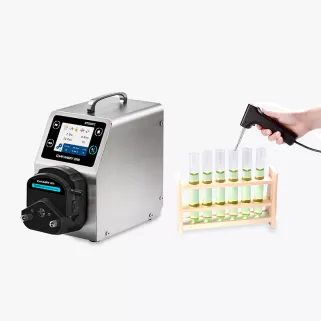
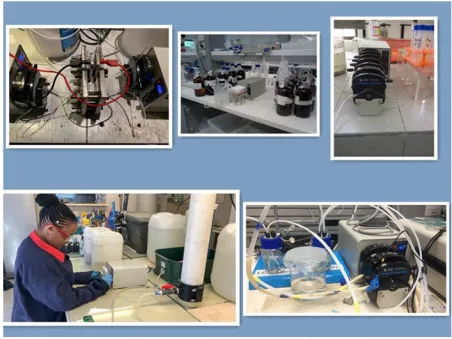
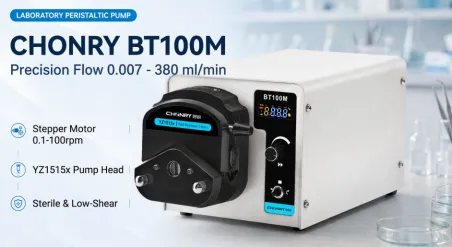
A dc peristaltic pump is often used in laboratory equipment because it is compact, energy efficient, and easy to control.
These pumps are commonly found in:
Types of Peristaltic Pumps Used in Pharmaceutical Applications
Different pharmaceutical processes require different pump configurations.
Here are several common designs used in the industry.
DC Peristaltic Pump
A dc peristaltic pump uses a direct current motor to drive the rotor.
These pumps are widely used in compact systems because they offer:
They are commonly used in laboratory equipment, medical devices, and automated dosing machines.
For example, diagnostic analyzers often use small DC pumps to transfer precise reagent volumes during testing procedures.
Dual Peristaltic Pump
A dual peristaltic pump contains two pump channels in a single unit.
This design allows two fluids to move simultaneously or independently.
Advantages include:
In pharmaceutical production, dual pumps are often used for:
For example, one channel may deliver an active ingredient while the second channel transfers a buffer solution.
Explosion Proof Peristaltic Pump
Certain pharmaceutical environments may involve volatile solvents or flammable chemicals.
In these areas, safety is critical.
An explosion proof peristaltic pump is designed to operate safely in hazardous environments. It uses specialized motors and protective structures to prevent sparks or overheating.
These pumps are often used when handling:
Explosion-proof equipment helps facilities comply with safety standards and reduce operational risks.
Key Advantages Compared With Other Pump Types
While many pump technologies exist, the peristaltic pump offers several advantages in pharmaceutical environments.
Minimal Cross Contamination
Only the tubing contacts the fluid.
This greatly reduces contamination risk.
Easy Maintenance
Replacing tubing takes only a few minutes. No complex disassembly is required.
Precise Flow Control
The pump provides consistent flow rates and accurate dosing.
Flexible Installation
Peristaltic pumps can operate in different orientations and system layouts.
These advantages make them suitable for both small laboratories and large-scale pharmaceutical factories.
How to Choose the Right Peristaltic Pump
Selecting the correct pump requires careful consideration of several factors.
Flow Rate
Different processes require different flow capacities. Pumps may range from microliters per minute to several liters per minute.
Tubing Material
Tubing must be compatible with the fluid and meet pharmaceutical standards.
Common materials include:
silicone
PharMed
Tygon
PTFE-lined tubing
Accuracy Requirements
High-precision filling processes require pumps with stable motor control and high repeatability.
Safety Environment
If the pump operates near flammable solvents, an explosion proof peristaltic pump may be necessary.
System Integration
For automated systems, a dc peristaltic pump may be easier to integrate with electronic control systems.
Future Trends in Pharmaceutical Pump Technology
The pharmaceutical industry continues to evolve.
Modern production lines increasingly require:
As a result, pump manufacturers are developing smarter peristaltic pump solutions with digital control, remote monitoring, and improved accuracy.
These technologies help pharmaceutical companies improve production efficiency while maintaining strict quality standards.
Choosing the Right Manufacturing Partner
Selecting the right pump supplier is just as important as choosing the right pump type.
A reliable manufacturer can provide:
Chonry is a professional manufacturer specializing in peristaltic pump technology. The company focuses on developing reliable pumping solutions for industries such as pharmaceuticals, laboratories, environmental monitoring, and industrial automation.
Chonry offers multiple product options, including dc peristaltic pump, dual peristaltic pump, and explosion proof peristaltic pump models designed for demanding fluid transfer applications.
With years of experience in pump design and manufacturing, Chonry helps customers select suitable solutions based on flow requirements, application environment, and system integration needs.
If you are looking for a dependable peristaltic pump used in pharmaceutical industry applications, the Chonry team can help you find the right model.
Contact Chonry today to discuss your project and get professional pump recommendations.